
Soluções de queima a hidrogênio
EQUIPAMENTOS DE DESCARBONIZAÇÃO LÍDERES DO SETOR
Faça a transição para a queima de hidrogênio com confiança com Zeeco
Desde 1979, Zeeco se baseando em um espírito de inovação e no compromisso com a excelência para ajudar nossos clientes a cumprir as normas de segurança e ambientais. Zeeco esse legado até hoje, desenvolvendo equipamentos de combustão, sistemas de controle e monitoramento comprovados para queimar com segurança até 100% de hidrogênio em aplicações específicas. Ao aproveitar as mais recentes tecnologias, pesquisas e avanços em testes, Zeeco , testou e instalou com sucesso equipamentos compatíveis com hidrogênio para apoiar os esforços de descarbonização de nossos clientes.
.png?width=2000&height=1125&name=MicrosoftTeams-image%20(66).png "Ilustração sobre o hidrogênio")
Quais são os benefícios e os desafios da combustão comH₂?
A transição dos combustíveis pesados à base de carbono para o hidrogênio é uma oportunidade empolgante que pode ajudar as indústrias em todo o mundo a reduzir significativamente as emissões. No entanto, embora o hidrogênio ofereça benefícios, a transição para um combustível mais sustentável traz consigo alguns desafios.
Benefícios
- Emissões de carbono nulas ao queimar 100%de H₂
- Temperatura mais elevada da chama
- Muitas vezes, é necessária uma quantidade menor de combustível para atingir a temperatura de aquecimento desejada
Desafios
- Compatibilidade do projeto do queimador
- Impacto no desempenho da caldeira
- Modernização da instrumentação e dos controles
- É possível que haja um aumento nas emissõesde NOx
Projeto de equipamentos compatíveis com hidrogênio
Grande parte dos equipamentos Zeeco é capaz de operar com hidrogênio, desde que sejam feitas as modificações adequadas e as condições de processo sejam adequadas. Ao fazer a transição para a operação com hidrogênio, Zeeco a realização de uma avaliação dos equipamentos para garantir que todas as medidas necessárias de projeto e segurança estejam em vigor. Assim que as condições específicas do processo da planta forem conhecidas, Zeeco realiza os ajustes necessários no projeto dos equipamentos para Zeeco a operação segura com hidrogênio.
Queimadores de hidrogênio para processos
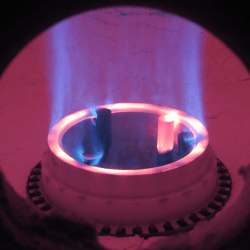
ZEECO® FREE JET™ 2ª Geração
- 25 anos de experiência comprovada no setor em operações com alto teor de hidrogênio
- Queima com alto teor de hidrogênio e diversas misturas de combustíveis
- Utiliza a recirculação interna dos gases de combustão paraa redução de NOx
- Chama estável e robusta em uma faixa de operação mais ampla
- Solução simples de adaptação
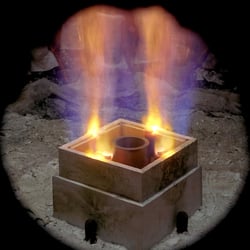
ZEECO® FREE JET™ 3ª Geração
- Funciona com hidrogênio 100% puro e diversas misturas de combustíveis
- Pode queimar o gás residual do flexicoker
- Opções de tiragem forçada e natural
- É compatível com praticamente qualquer forno
- Emissõesde NOxpróximas de um dígito na queima de H₂
- Emissões deNOxde um dígito na queima de gás natural
- Sem controles complexos
- Sem controles de segurança adicionais
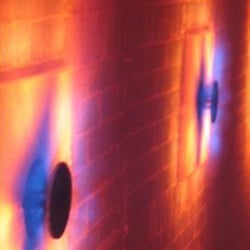
Queimador de parede radiante com fenda ZEECO (HSRW) ZEECO
- Queima com alto teor de hidrogênio e diversas misturas de combustíveis
- Redução das emissõesde CO₂ eNOx
- Manutenção simples
- Maior vida útil
Avanços na tecnologia de queimadores
Os avanços recentes na tecnologia de queimadores de hidrogênio estão possibilitando uma combustão segura e estável, com emissõesultrabaixas de NOx, mesmo ao queimar até 100% de hidrogênio. Desenvolvido por meio de uma colaboração entre Zeeco a ExxonMobil, esse projeto de queimador de última geração supera as características únicas da chama do hidrogênio e contribui para a descarbonização industrial em aplicações nas áreas de refino, petroquímica e energia.
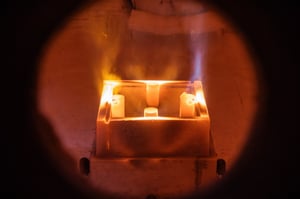
Pronto para o hidrogênio
As soluções de combustão preparadas para o hidrogênio devem levar em conta as características únicas da chama do hidrogênio, mantendo ao mesmo tempo uma operação segura e estável. Os queimadores, as tecnologias de adaptação, os acendedores e os scanners de chama Zeecosão projetados para permitir maiores taxas de queima de hidrogênio com baixasemissões de NOx , apoiando uma transição em conformidade com as normas para a queima de hidrogênio em aplicações de refino e petroquímicas.
Queimadores a hidrogênio
Com base em seu sucesso comprovado ao auxiliar usinas de energia na transição do carvão para o gás e do petróleo para o gás, Zeeco bem posicionada para apoiar o próximo passo na evolução dos combustíveis: a queima de hidrogênio. Com ampla experiência em projeto de queimadores, modernizações, sistemas de controle e segurança de combustão, Zeeco os produtores de energia adotem combustíveis à base de hidrogênio por meio de uma transição gradual e integrada, que mantém a confiabilidade, o desempenho e a conformidade. Essa abordagem comprovada ajuda as usinas de energia a se descarbonizarem com confiança, ao mesmo tempo em que aproveita a infraestrutura existente sempre que possível.
- Sistemas de ignição compatíveis com hidrogênio: Os sistemasZeeco e as chamas-pilotoZeeco podem ser configurados para operação com hidrogênio, reduzindo ou eliminando a necessidade de gases combustíveis adicionais e equipamentos auxiliares.
- Módulos de combustível e sistemas de manuseio de combustível:Zeeco especificar, projetar e fornecer módulos de combustível de hidrogênio e sistemas de manuseio de combustível projetados para o fornecimento seguro e controlado de hidrogênio ao queimador.
- Integração completa de sistemas de controle para hidrogênio:Zeeco sistemas completos de controle para gerenciar a adição, a mistura e a queima de hidrogênio como combustível, em coordenação com queimadores, chamas piloto e sistemas de segurança.
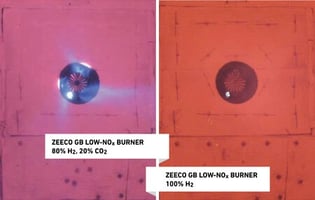
Queimador ZEECO com baixa emissão de NOx
- Funciona com 100%de H₂ e uma variedade de misturas de combustível
- Tecnologia altamente confiável e comprovada na prática
- Solução simples de adaptação
- Tempo mínimo de inicialização
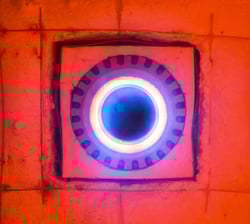
ZEECO FREE JET 2ªFREE JET
- 25 anos de experiência comprovada no setor em operações com alto teor de hidrogênio
- Queima com alto teor de hidrogênio e diversas misturas de combustíveis
- Utiliza a recirculação interna dos gases de combustão paraa redução de NOx
- Chama estável e robusta em uma faixa de operação mais ampla
- Solução simples de adaptação
Scanners de chama de hidrogênio
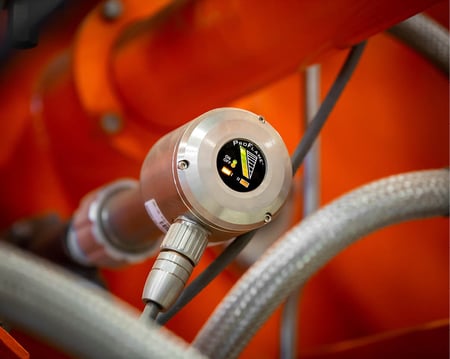
Scanner ZEECO
ProFlame ZEECO ProFlame é um dos únicos scanners de chama no mercado capazes de detectar chamas de forma confiável durante a queima de combustíveis com alto teor de hidrogênio. Os scanners de chama convencionais são configurados para detectar a radiação de combustão nos espectros UV, visível e infravermelho, oferecendo uma ampla faixa espectral durante a queima de diversos combustíveis gasosos e líquidos. No entanto, durante a queima de combustíveis com alto teor de hidrogênio, a ausência de carbono reduz significativamente a faixa espectral e a desloca em direção ao UV. Isso resulta em sinais de pico de chama enfraquecidos, levando a disparos indesejados nos scanners convencionais. Como o ProFlame apenas o espectro UV para detectar chamas, a ausência de carbono não afeta sua capacidade de detectar a radiação de combustão do queimador alvo.
Flare de queimadores de hidrogênio e de Flare
A maioria dos pilotos/dispositivos de ignição utilizados em aquecedores a combustão são autoaspirados, o que significa que o ar é naturalmente induzido a se misturar com o gás combustível antes da combustão. Ao utilizar pilotos com alto teor de hidrogênio, o risco de retorno de chama no tubo do piloto aumenta. É fundamental empregar modelos de piloto capazes de funcionar com composições de gás piloto de até 90% de hidrogênio sem retorno de chama, a fim de evitar danos ao piloto e a quaisquer componentes internos. Por exemplo, alguns modelos de piloto utilizam uma válvula de ar ajustável para controlar manualmente o fluxo de ar e evitar o retorno de chama ao queimar combustíveis com alto teor de hidrogênio. À medida que o teor de hidrogênio aumenta, a válvula de ar deve ser fechada ainda mais para manter a velocidade do jato e evitar o retorno de chama.
Recursos relacionados
Produtos para o mercado de reposição de energia
Não importa se o seu equipamento foi fabricado pela Zeeco ou por outro fornecedor de equipamentos de combustão. Temos o que você precisa para restaurar e, muitas vezes, melhorar a eficiência, a funcionalidade e o desempenho do seu equipamento.
Folheto de energia
Leia sobre os recursos expansivos da Zeeco no mercado de queimadores de energia e caldeiras
Queimador de energia JET® GRÁTIS
O queimador de energia ZEECO® GLSF FREE JET® é um exemplo de nosso implacável compromisso de ajudar as indústrias geradoras de vapor
GB - Queimador de baixo NOx
O queimador ZEECO® GB foi projetado para resolver problemas complexos, de forma simples. Este queimador axial, de fluxo paralelo, tipo registro, é baseado em um projeto comprovado na indústria de combustão por mais de 40 anos.
Atualizações de processos e caldeiras, retroajustes, e controles
A atualização de seus aquecedores de processo ou caldeiras pode melhorar drasticamente a segurança da planta, reduzir as emissões de NOx, maximizar a eficiência da planta e permitir mudanças de combustível mais fáceis.